It is likely that the Vikings had some knowledge of the Bible as early as the year 793 when they attacked Lindisfarne. The victims of the Viking raids were often monks, so it is reasonable to assume that they were in contact with illuminated manuscripts and biblical texts. Although the Vikings could not read Latin or Old English (Anglo-Saxon), they likely understood that these books were “holy” in some way.
Several missionaries were sent to Scandinavia from the Carolingian Empire in the early 9th century. The missionaries were well received, but language barriers made it difficult to preach Christianity. This was most Scandinavians’ first encounter with the Bible.
The French Bishop Ansgar was a missionary in Scandinavia in the 9th century. He was in close contact with the Danish petty king Harald Klakk. He spent a lot of time in Sweden between 830 and 850. Today, Ansgar is known as the Apostle of the North, he initiated the Christianisation process in Denmark and Sweden and is credited with introducing Swedes and Danes to Christianity.
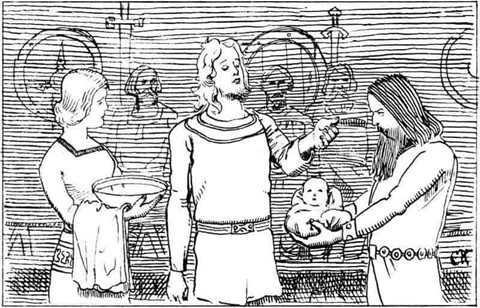
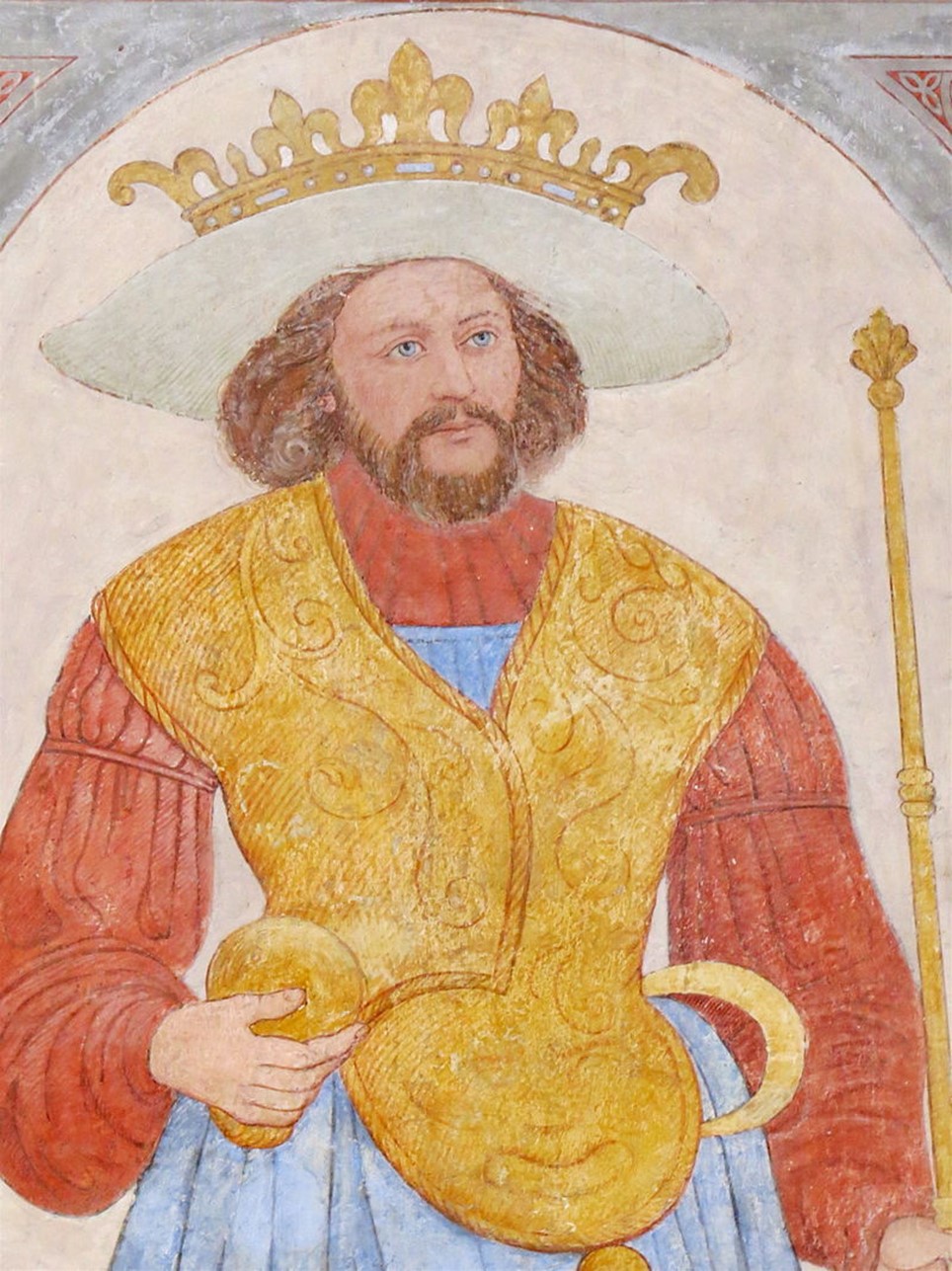
It was Harald Bluetooth who united Denmark and Christianised the country in the late 10th century.
After Ansgars death, the missionary work in Scandinavia was taken over by archbishop Rimbert of Hamburg. In addition to Denmark and Sweden, he also conducted missionary work in western Friesland.
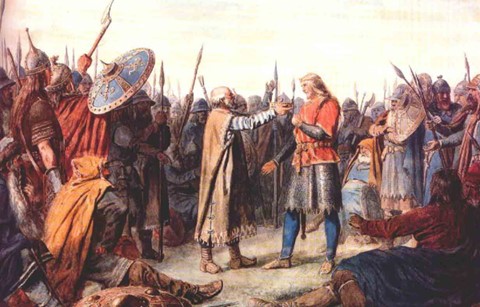
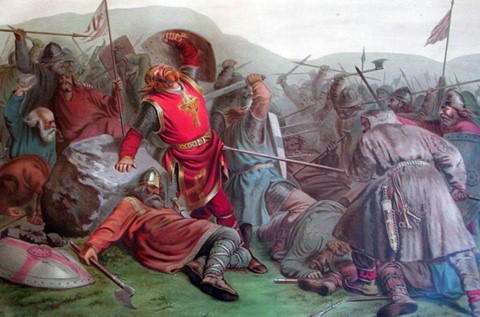
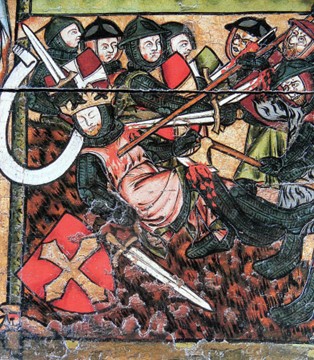
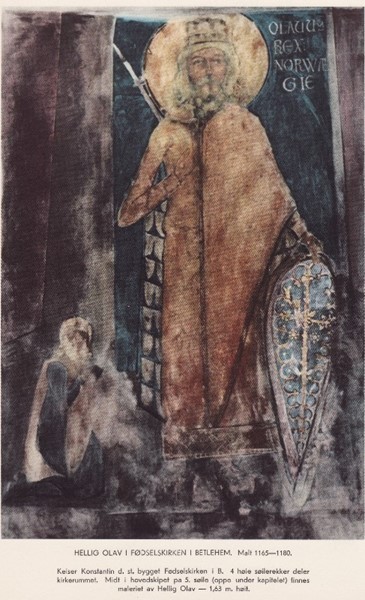
Three kings attempted to Christianise Norway: Haakon the Good (935-960), Olav Tryggvason (995-1000) and Olav Haraldsson (1015-1028). Olav Haraldsson managed to officially introduce Christianity to Norway in the year 1030.
In 981, the first missionaries arrived in Iceland, and in 999-1000, Christianisation was approved by the Althing under the influence of Olav Tryggvason. It was the Saxon priest Tangbrand who was tasked with converting the Icelandic pagans.
The first Norwegian settlers brought Christianity to Greenland in the early 11th century.
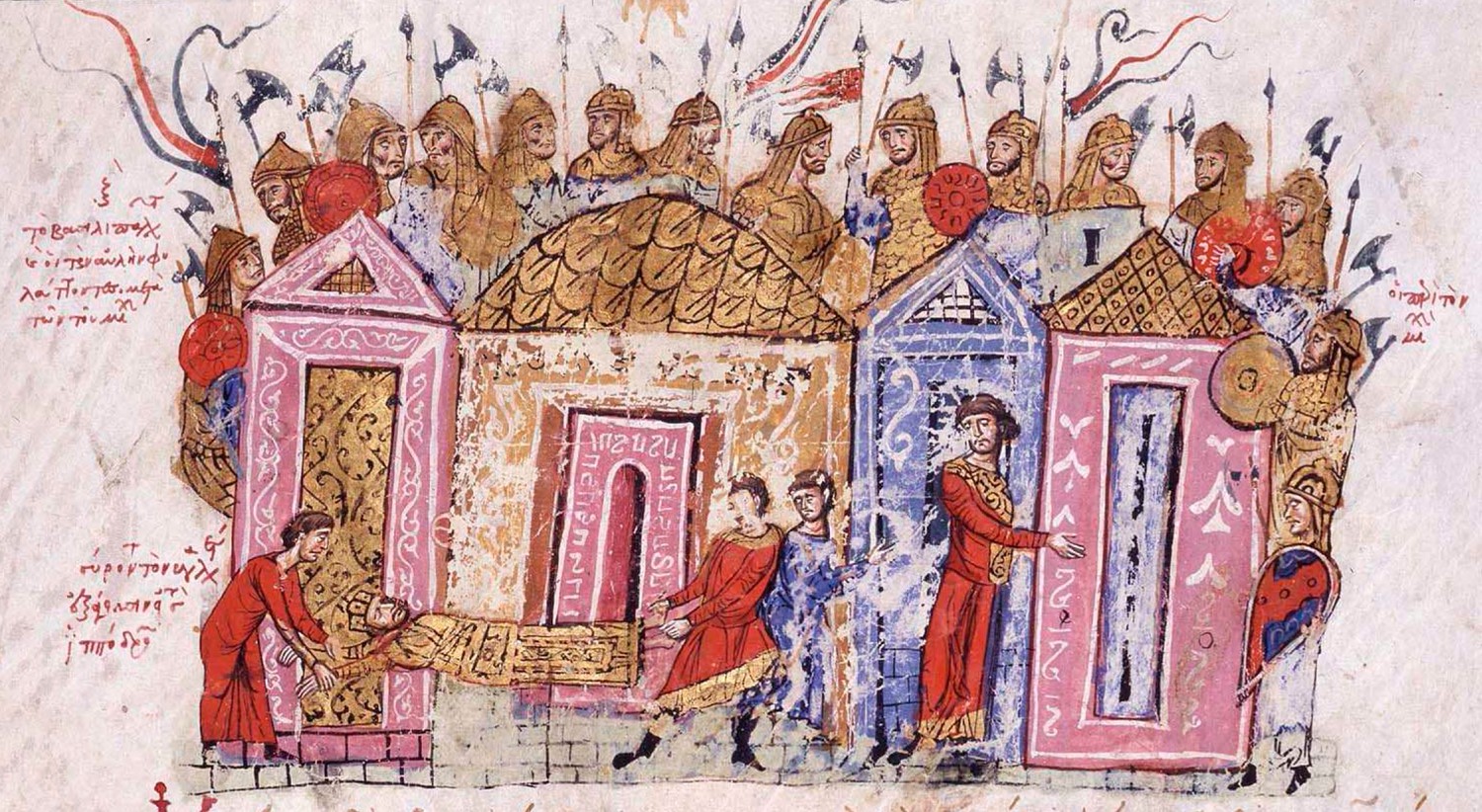
Several Vikings worked in the Byzantine Empire as mercenaries and bodyguards for the emperor, most of them in Constantinople, which they called Miklagard. Scandinavians are said to have visited the Byzantine Empire as early as the year 839. It is likely that this is where they came into contact with the Orthodox Church and the Bible.
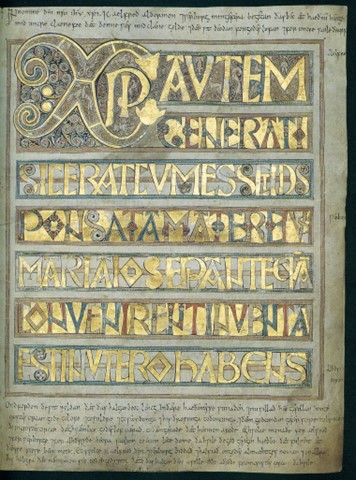
In the 9th century, it is believed that Swedish Vikings stole a parchment Bible called the Codex Aureus. It was written in the 8th century in Canterbury and contains the four gospels in Latin, as well as illustrations. The Swedes demanded a ransom for the book, which the Englishmen agreed to pay. The book was shortly returned to England where it underwent minor revisions, this included comments in Old English (Anglo-Saxon). Today, the book is found in the National Library in Stockholm, where it has been given the name Stockholm Codex Aureus. It is also known as the Silver Bible.