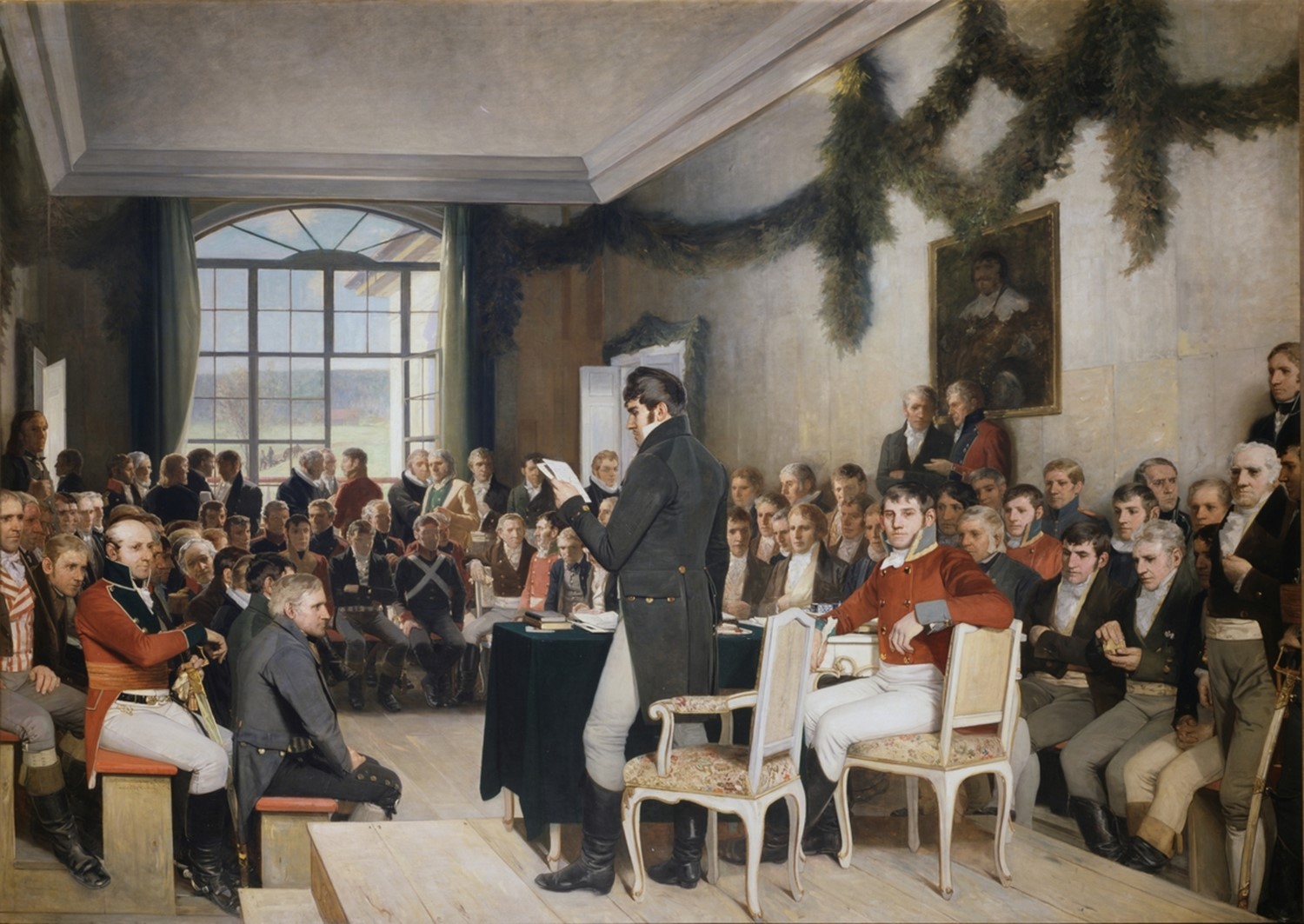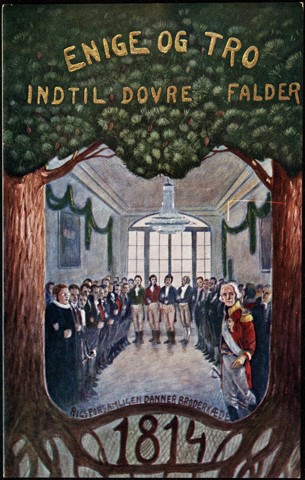
The Bible played a pivotal role in nation-building and public enlightenment, and also acted as a cornerstone of Norwegian democracy. No other book had such a large influence on Norwegian intellectual life. This is evident through the Eidsvoll Assembly in 1814.
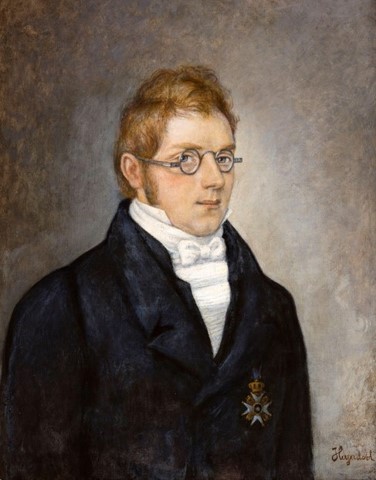
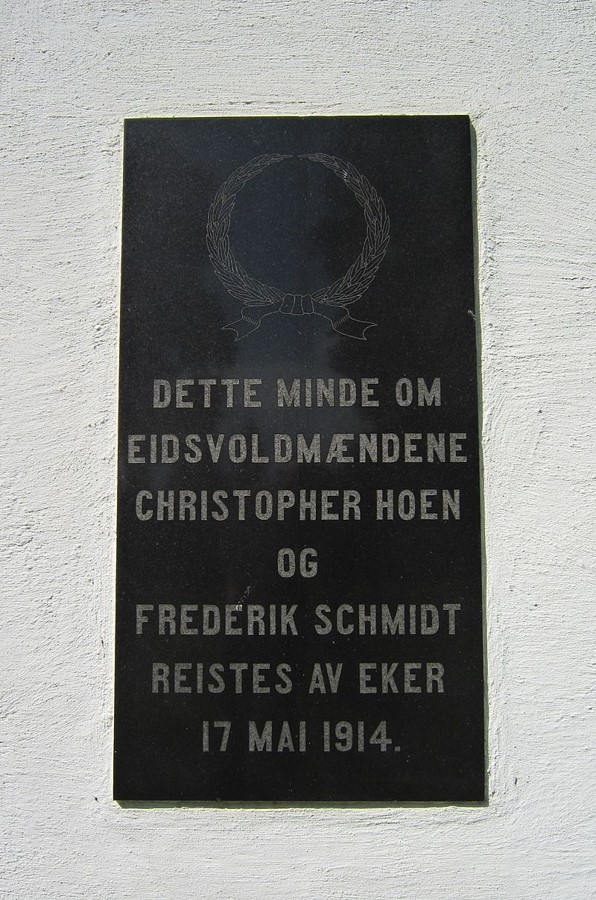
Out of the 112 delegates at Eidsvoll, 14 were clergymen. The most notable of these was Buskerud Amts first representative, the Danish-born priest and poet Frederik Schmidt. During a stay in Germany in 1794, Schmidt came into contact with intellectual circles at the university in Göttingen. There, the German theology students combined Immanuel Kant’s pure reason with the theologist Johann Salomo Semler’s history-centered interpretation of the Bible. This resulted in the biblical text being freed from the dogmas of church hierarchy and taking on a socially critical character. This influenced Schmidt and his political work. Shortly after returning in 1795, Schmidt became the editor of the polemical journal Hermoder. Through this journal, he promoted his patriotic and democratic enlightenment work, often with a biblical foundation.
The socially engaged priest and theologist Nicolai Wergeland shared Schmidt’s perspective. He represented Kristiansand in the national assembly and became Master of Theology in 1803. He was strongly influenced by the contemporary social upheavals, which he expresses through several of his articles and speeches. In 1811, he received an award from the Royal Norwegian Society for Development for his polemic journal Mnemosyne, where he argued for the establishment of a Norwegian university. Like Schmidt, he distanced himself from the Lutheran dogmatics and advocated for a more liberal interpretation of the Bible. For Wergeland, the conservative Lutheran faith was a relic of the past, a stifling and constricting theology incompatible with Norwegians’ individual instincts and the future enlightenment work.
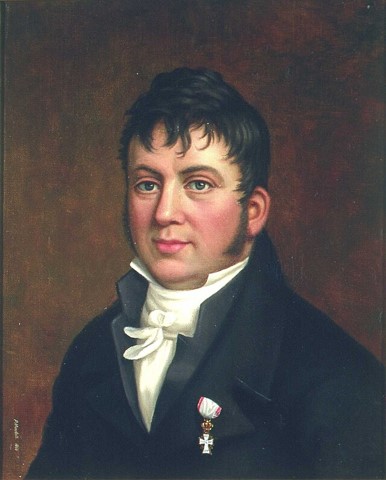
The Bible also played a significant role for the peasant representatives at Eidsvoll, including Cristopher Borgersen Hoen. The farmer and politician from Eiker was a devout Haugean and actively fought to combat hunger and poverty. During the famine years of 1807-1808, Hoen was responsible for providing provisions for the poor. After the famine he managed the Eiker granary. During the negotiations at Eidsvoll, he co-signed a proposal to limit the right to own and use peasant property. Hoen’s political work was a continuation of Paul’s first letter to Timothy: “Command them to do good, to be rich in good deeds, and to be generous and willing to share”. Timothy 6:18 [1]
United and loyal until Dovre falls
To mark the end of negotiations on May 20, 1814, Admiral Jens Schow Fabricius took the floor to form a chain of brotherhood and to take an oath. The oath, which would eventually become Norway’s unofficial motto, was “Enige og troe indtil Dovre falder” (United and loyal until Dovre crumbles). While the origin of the expression about Dovre is uncertain, some suggest that it may have been inspired by the Bible. In Psalm 125:1, we read: “Those who trust in the Lord are like Mount Zion, which cannot be shaken but endures forever.”
[1] Biblical quote sourced from Bible.com (https://www.bible.com/bible/111/psa.125.1)