It is said that Edvard Munch (1863-1944) kept three books on his bedside table: “Fra Kristiania-Bohêmen” (From Christiania’s Bohemia) by Hans Jæger, “The Idiot” by Fyodor Dostoevsky, and the Bible. These three books would form the foundation for Edvard Munch’s art and worldview, but the Bible would become especially important to him.
The Bible played a significant role in the Munch family. Several of Munch’s ancestors were priests and clergymen, including his grandfather, archdeacon Edvard Munch. Munch’s father, the physician Christian Munch, made sure that Edvard and his siblings were introduced to the Bible at a young age. The family frequently attended church and missionary meetings.
In his late teens, Munch became part of Kristiania’s bohemian circle. The eccentric poet Hans Jæger, the leader of this group, became a mentor to Munch. Jæger was the very personification of the new era; atheist, Darwinist, individualist and anti-moralist. His social critiques would come to influence the budding artist. Despite his mentor’s anti-Christian attitudes, faith remained part of Munch’s thought process.
“Bohemtiden kom med dens frie Kjærlighed – Gud – og alt omstyrtedes – alle rasende i en vild vanvittig Livets Dans – en blo rø Sol stod på Himlen – Korset var tomt – Men jeg kunde ikke frigjøre mig fra Livsangsten – og den evige Livs Tanke”
(The bohemian time came with its free Love – God – and everything was overturned – everyone raging in a wild frantic Dance of Life – a blood red Sun stood on the Heavens – the Cross was empty – But I could not free myself from the Fear of Life – and the eternal Thought of Life), Munch would later write.
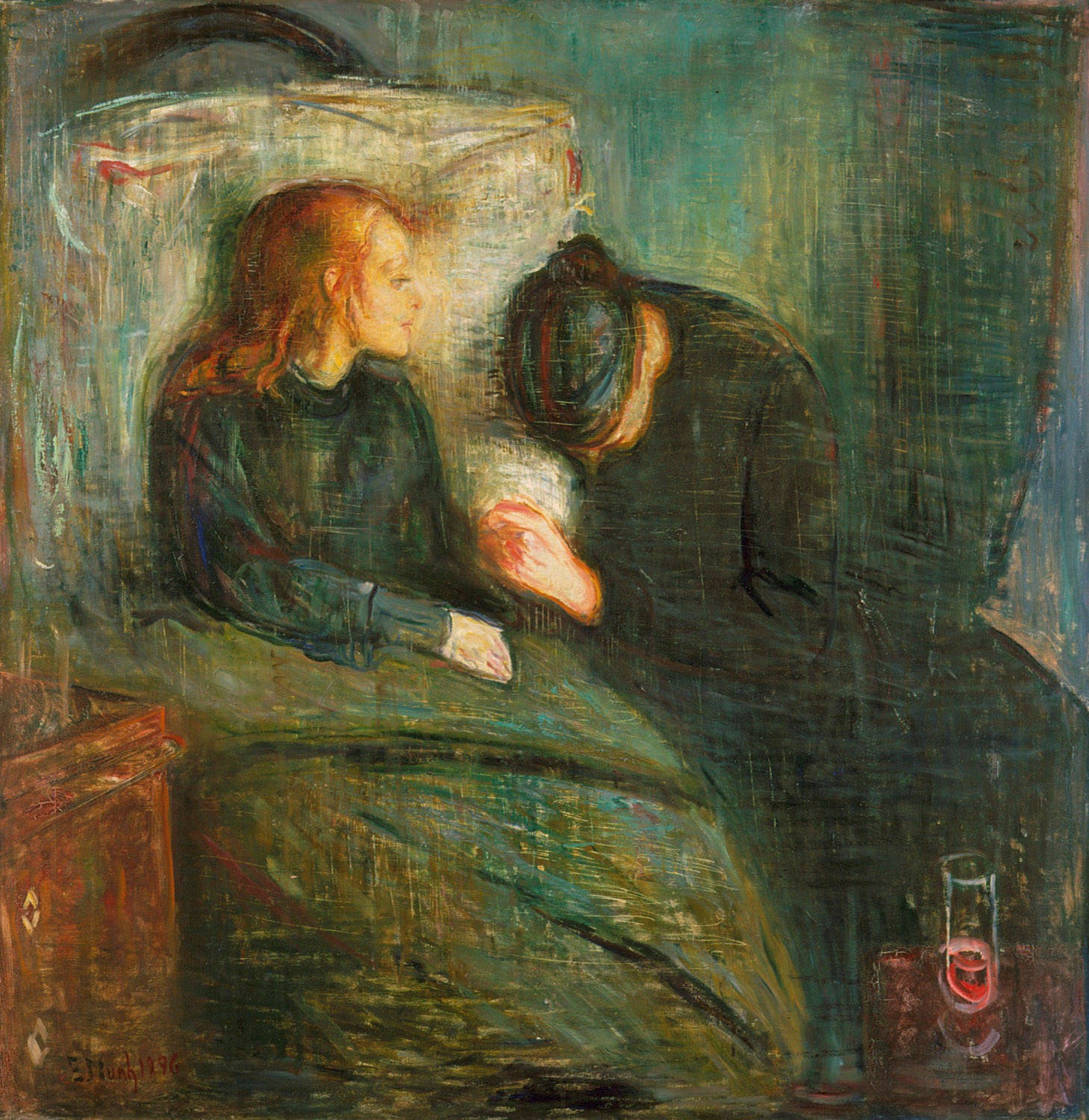
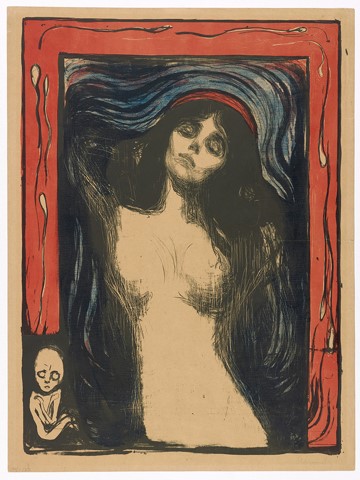
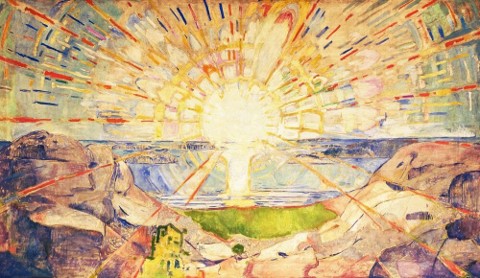
Munch’s art was rooted in Naturalism. Here, Christianity was made relevant through an emphasis on the importance of heredity in modern society. Naturalists deliberately engaged with the Bible and its moral teachings. To understand contemporary moral developments, one had to go back to the source, the Bible. This is reflected in Munch’s art, where the modern and secular bear traces of the sacred. For example, we find sacralisation of conception (Madonna), suffering as a virtue (The Sick Child), inherited sin (Inheritance), and resurrection (The Sun).
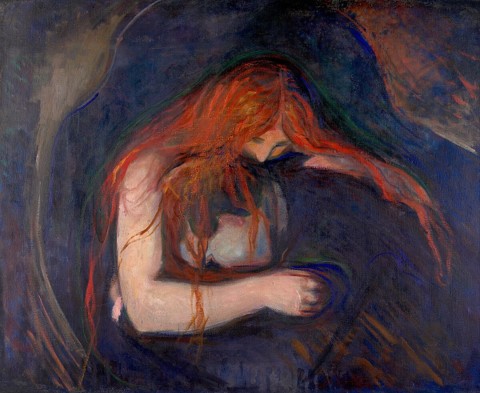
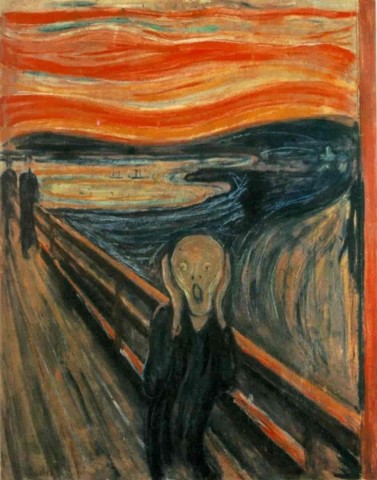
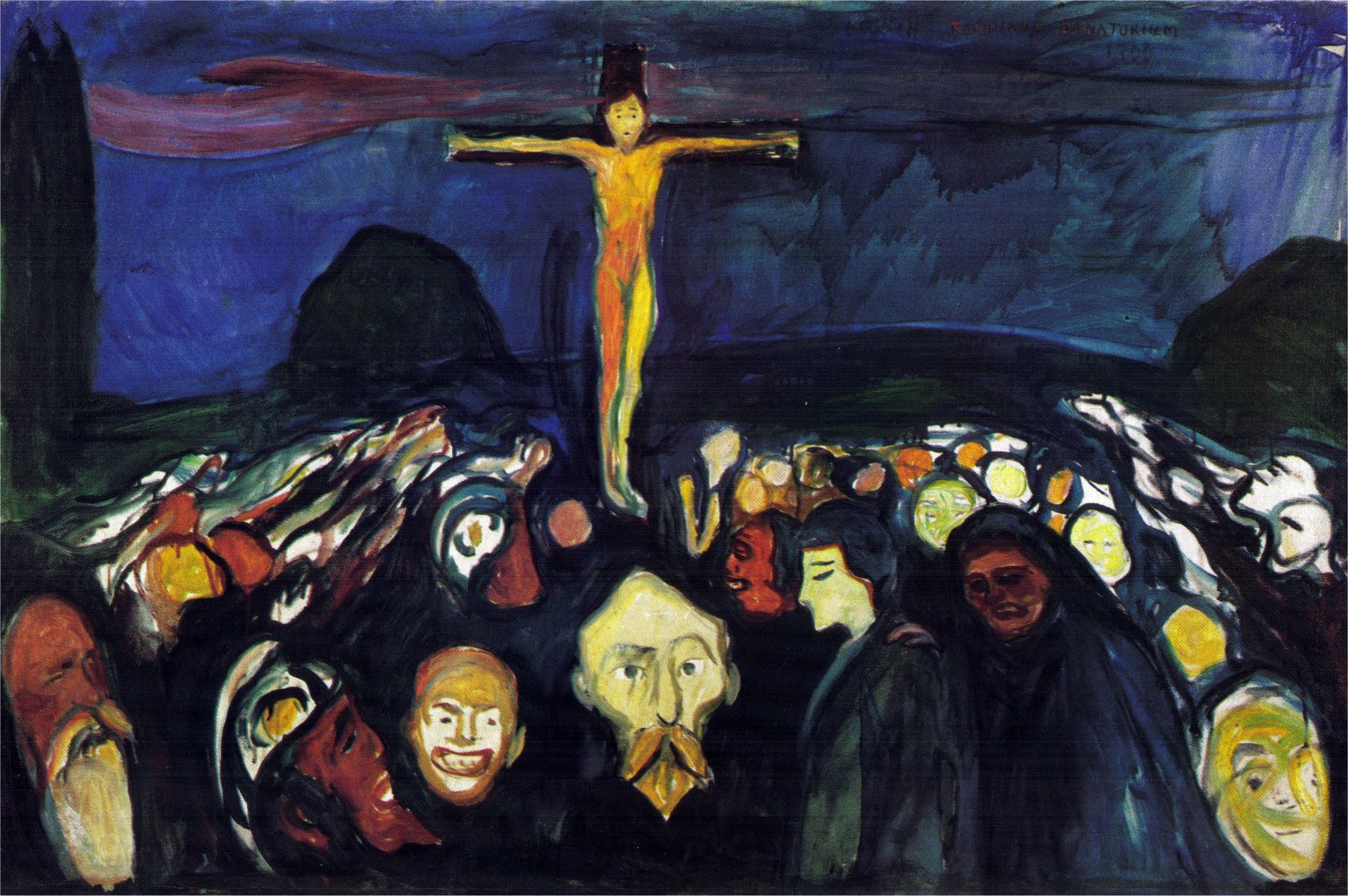
At times, Munch felt lonely in his faith. His art also expresses dismay over a society that had lost its moral foundation. His close friend, the poet Sigbjørn Obstfelder, recognised a “Christian doomsday anxiety” in several of Munch’s paintings. Works such as The Dance of Life, Golgotha, The Scream, Vampire, Sick Mood at Sunset, and The Empty Cross reflect this anxiety and uncertainty about modern existence.
Despite experiencing hardships in life, Munch did not lose his faith, it remained a constant part of his life and work, and stayed with him until his death.